SAFE-FLEX INSIGHTS
Anti-slip matting for oily floors: a practical UK selection guide
How to specify slip resistant matting for oils, coolants and heavy footfall without creating cleaning issues, trip hazards or short service life.
- anti-slip
- manufacturing
- hse
- specification
When anti-slip matting is the right answer
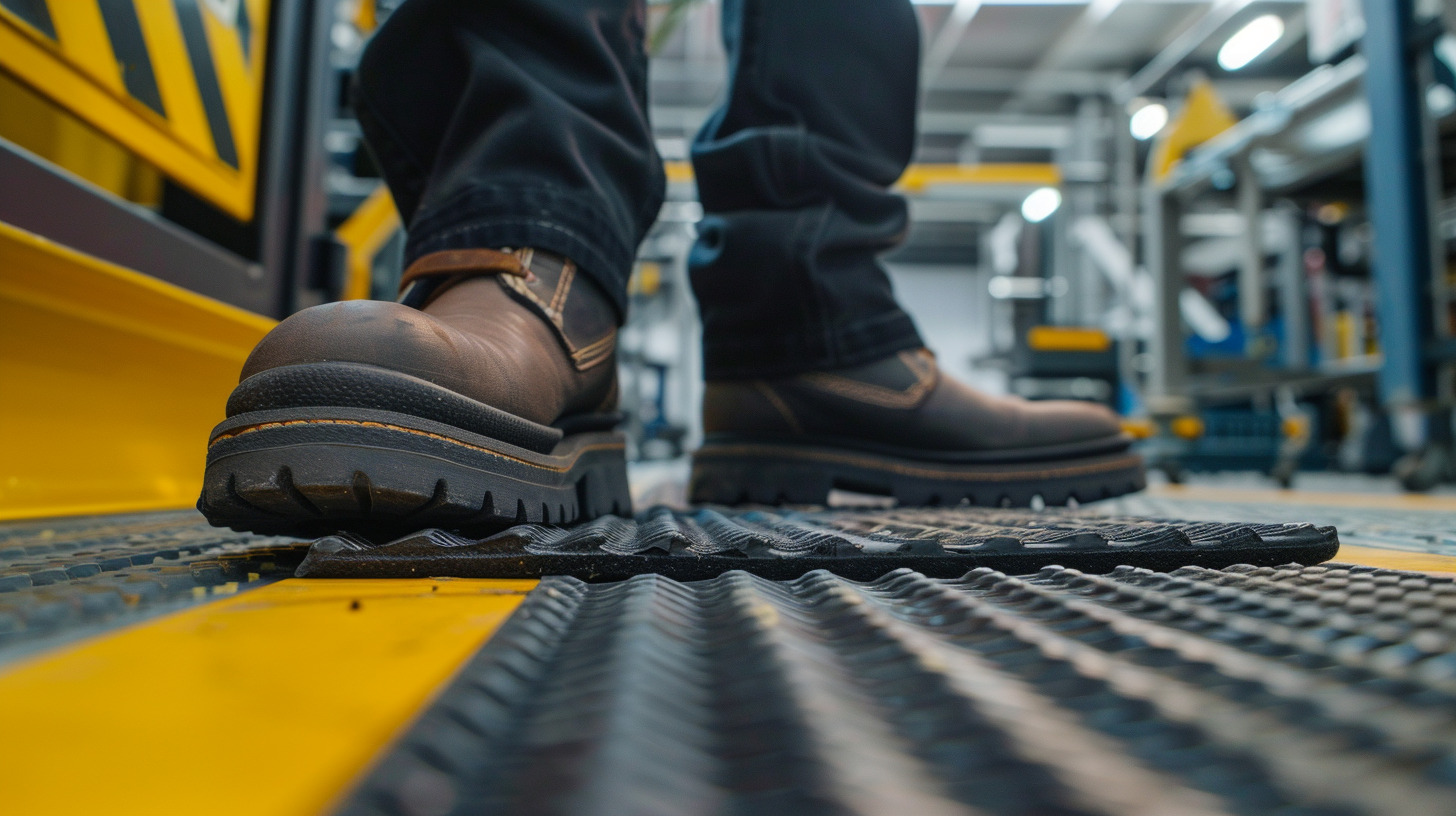
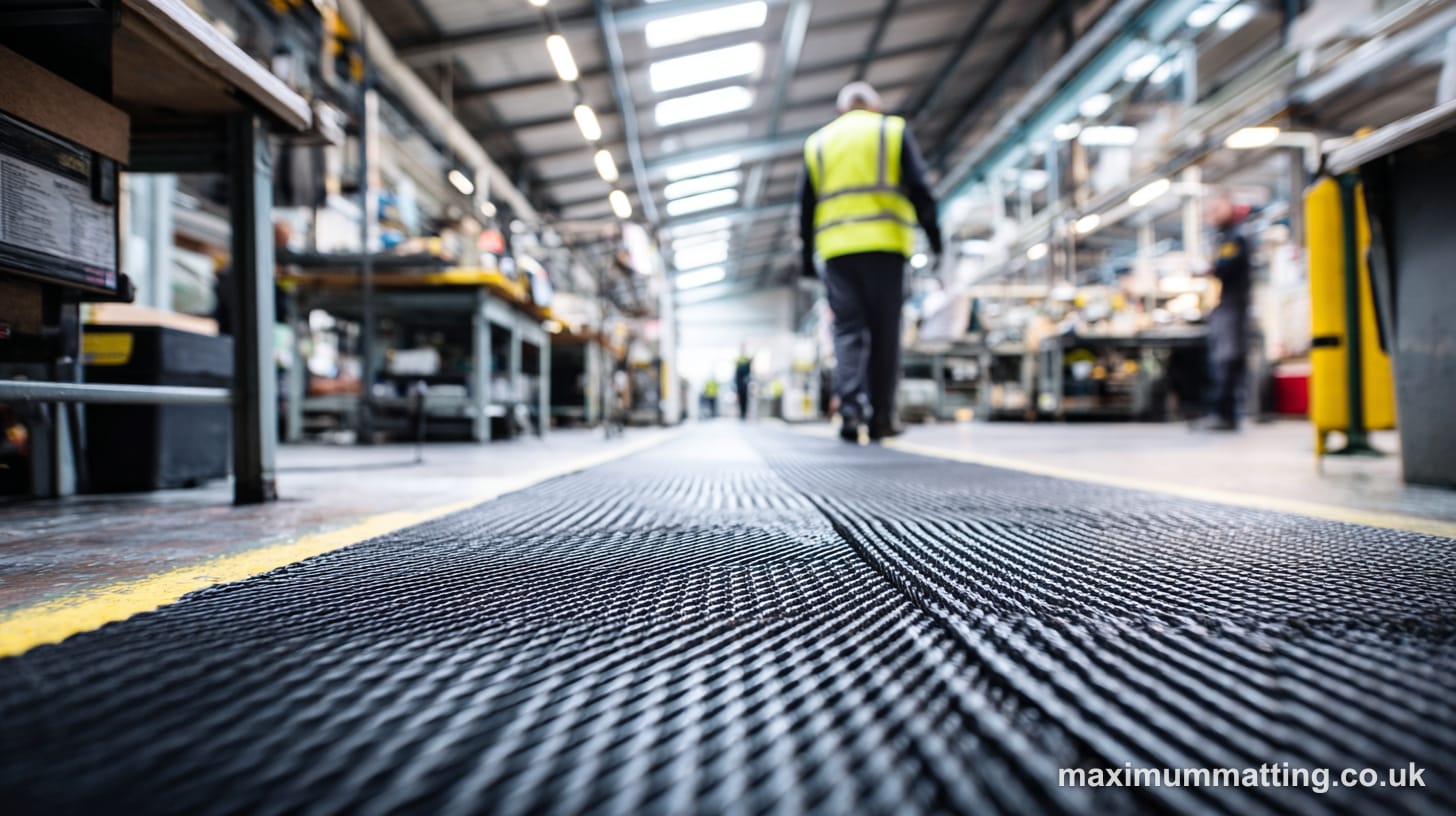
If your production floor sees oils, coolants, condensation or tracked-in rainwater, anti-slip matting is often a fast, measurable risk-reduction upgrade—especially in:
- machining aisles and access routes
- loading areas and goods-in corridors
- packing benches with constant footfall
- maintenance walkways around equipment
Start with the anti-slip hub page for product options: /matting/anti-slip/
The selection checklist (what actually matters)
1) What is the contaminant?
Different contaminants behave differently. Coolant mist, hydraulic oil, fine swarf and dust all change traction and cleaning requirements. Document what hits the floor and how often.
2) What is the traffic and load?
Boot traffic, pallet trucks, carts, stools and frequent turning all affect wear. Note:
- busiest routes
- sharp turns and stop-start points
- edge exposure (where ramps are essential)
3) Solid-deck vs drainage formats
- Solid-deck can be easier to clean where liquids are controlled and you want a sealed surface.
- Drainage/open-grid can be preferable where liquids must evacuate quickly to avoid standing contamination.
4) Ramping and edges are part of safety
Anti-slip matting can create new trip risk if you don’t plan transitions. Include ramps/edges in the layout from day one, especially for MHE and pedestrian crossings.
What to include in your spec pack request
To get a useful recommendation quickly, send:
- photos of the zone and the contaminant sources
- a simple sketch of the area and traffic direction
- cleaning routine (chemicals, frequency, washdown method)
- any incident/near-miss history or HSE concerns
Contact the team here: /contact#contact-form
Hot-work and fabrication areas need extra thought
If the zone includes welding or grinding, you may need materials and documentation suited to “hot works” environments. See: /matting/hot-works-welding/
Recommended next steps
- Anti-slip products and how to choose: /matting/anti-slip/
- Manufacturing environment playbook: /sectors/manufacturing-and-heavy-engineering
- If you also have ESD requirements: /matting/esd-anti-static/
Recommended for this job
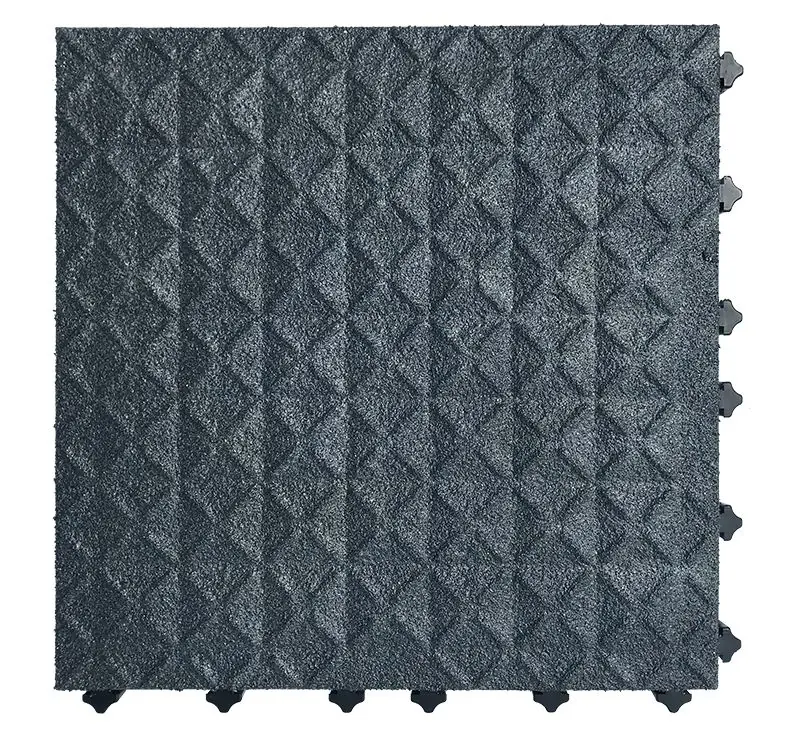
Safe-Flex Solid Deck: UK-made modular tiles for slip, hot-works, and wet zones.
Plan your area and build a basket for order review, or book a free site visit and we’ll return a costed layout, slip data, and a RAMS pack.

Pressed in the West Midlands · 100% recycled PVC